Why Crypto Prices Go Up and Down Every Day

Crypto prices move fast, sometimes swinging up or down by ten percent before you finish your lunch. You check your phone in the morning and see green, but by dinner everything is red. It feels random, but clear rules drive every single price change.
At its heart, the price changes because buyers and sellers disagree on value until a trade happens. When more people want to buy than sell, the price climbs. When fear hits and people rush to sell, the price falls fast.
The Simple Law of Supply and Demand
Every market on earth runs on supply and demand. Think about concert tickets for your favorite singer. If the hall holds five thousand seats, but fifty thousand fans want to go, tickets get very expensive. People pay whatever it takes to get in.
Now picture a fruit stand with boxes of ripe strawberries. If nobody buys them by late afternoon, the berries will spoil. The seller cuts the price in half just to get rid of them. Crypto works the same way.
Take Bitcoin as an example. The computer code says there will only ever be 21 million coins. That number is set in stone. Nobody can print more just because people want them.
When millions of new buyers show up at the same time, the supply cannot grow to meet them. The only thing that can change is the price. Buyers bid against each other, pushing the price higher step by step. If demand drops next week, the fixed supply sits there, and sellers must lower their prices to find someone willing to buy.
How Crypto Exchanges Match Buyers and Sellers
A coin does not have an official sticker price like a gallon of milk at the supermarket. Instead, the price you see on an app is simply the price of the very last trade that happened. You can see this clearly when you study How Crypto Exchanges Work Behind the Scenes.
Exchanges use a tool called an order book. An order book is just two lists placed side by side. On one side, buyers write down the highest price they will pay. On the other side, sellers write down the lowest price they will take.
Imagine Anna wants to sell one coin for two thousand dollars. Ben only wants to pay nineteen hundred dollars. No trade happens yet. They wait.
Then Chris comes along. Chris wants a coin right now and does not care about saving a few dollars. He agrees to Anna's price of two thousand dollars. The trade goes through. Instantly, the price shown across the entire internet updates to two thousand dollars.
If many buyers rush in and clear out all the cheap sell orders, the price jumps fast. When panic strikes, sellers dump coins into whatever buy offers exist, driving the price down within seconds.
Why Crypto Prices Swing Harder Than Normal Stocks
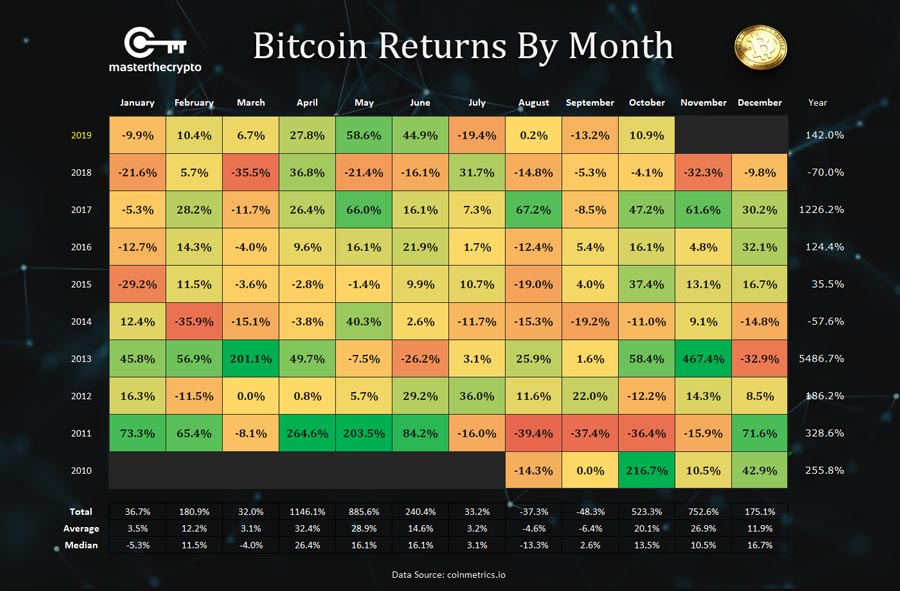
People often ask why stocks move by one or two percent, while coins can move twenty percent in an hour. One big reason is the size of the market. Compared to gold or massive stock markets, the total value of any Cryptocurrency is still quite small.
Think of it like water in a container. If you drop a heavy rock into the ocean, you barely see a ripple. The ocean is just too big to care. But if you drop that same rock into a small backyard swimming pool, water sloshes over the edges.
The stock market is like the ocean. Trillions of dollars sit inside it, so it takes giant forces to move it. Many crypto coins are like that swimming pool. A single wealthy trader, often called a whale, can make a huge splash simply by selling a large stash of coins on a Tuesday morning.
Another reason is continuous trading. Regular stock markets open around nine in the morning and close in the late afternoon. They take weekends off and pause on holidays. Crypto never sleeps. Trades happen at two in the morning on Christmas Day, with fewer people watching, which lets prices swing without resistance.
Good News, Bad News, and Public Mood
News moves crypto faster than almost anything else. Because digital coins do not produce physical products or release quarterly profit reports like Apple or Ford, people rely heavily on sentiment. What people believe determines what they will pay.
Positive headlines bring waves of excitement. If a big payment company announces that it will accept digital coins, buyers get confident. They post online, tell their friends, and buy coins because they expect the price to rise. This excitement quickly feeds on itself.
Bad news works even faster. If a government talks about banning trading, or if a major platform loses funds, fear spreads across social apps in minutes. People do not wait to see if the news is fully true. They sell right away to protect their cash, which pushes the price down before the day ends.
You can check our guide on understanding crypto market basics to see how human emotions drive these quick market turns. Greed pushes prices to levels that make no sense, and fear pulls them down just as hard.
Big Whales and Borrowed Money
Whales are individuals or funds that hold thousands of coins. When a normal person sells twenty dollars worth of a coin, the market does not feel it. But when a whale sells fifty million dollars worth, they soak up all the buy orders on the exchange. The price falls immediately.
Some traders also use borrowed money, which makes things worse. This is called use. A trader might put down one hundred dollars of their own money and borrow nine hundred dollars from the broker to place a one-thousand-dollar bet.
If the coin goes up a little, the trader makes a quick profit. But if the coin drops even ten percent, the broker steps in automatically. The broker sells the coin immediately to make sure they get their borrowed money back. This is called liquidation.
When thousands of borrowed positions get sold at the same moment, it triggers a chain reaction. One liquidation pushes the price down, which triggers the next liquidation, which pushes the price down even more. Within twenty minutes, a small drop becomes a massive crash.
Real World Events and the Global Economy
Crypto does not live in an isolated bubble. It is connected to the real world where we buy food, pay rent, and run businesses. What happens with central banks impacts digital tokens every single month.
When central banks raise interest rates, borrowing money gets expensive. Safe places to keep money, like government bonds or basic bank accounts, start paying decent returns. Investors often pull cash out of risky assets, including crypto, to park it where it cannot be lost.
On the flip side, when interest rates are low and banks print extra money, people look for ways to grow their cash. They feel braver and buy riskier assets. High inflation also makes people worry that their local cash will lose value over time, leading some to try alternative assets.
Global conflicts, oil shortages, and elections also play a part. Whenever people feel uncertain about the future, they tend to hold onto plain cash and stay away from wild markets until the dust settles.
How Beginners Can Stay Calm During Wild Swings
Watching prices drop thirty percent in a week can make your stomach turn. The best way to handle this stress is to understand the risks before putting any money on the line. Never put in money that you need for rent, food, or bills next month.
Many smart beginners avoid trying to guess the daily highs and lows. Trying to time the market usually leads to buying near the top out of excitement and selling near the bottom out of panic. It rarely works well.
Take time to learn how the tech works instead of watching price charts every ten minutes. Focus on understanding the tools and the market structure. When you know why prices move, the daily swings stop feeling like a mystery, and you can make calm choices without letting fear run the show.


Comments
Post a Comment